The landlord's blog Games and prizes
Bingo at the quiz break: how to run it without the arguments
A quick game of bingo keeps people in their seats at the quiz break. Here's how to run it fairly, settle claims without a row, and why playing it for fun keeps things simple.
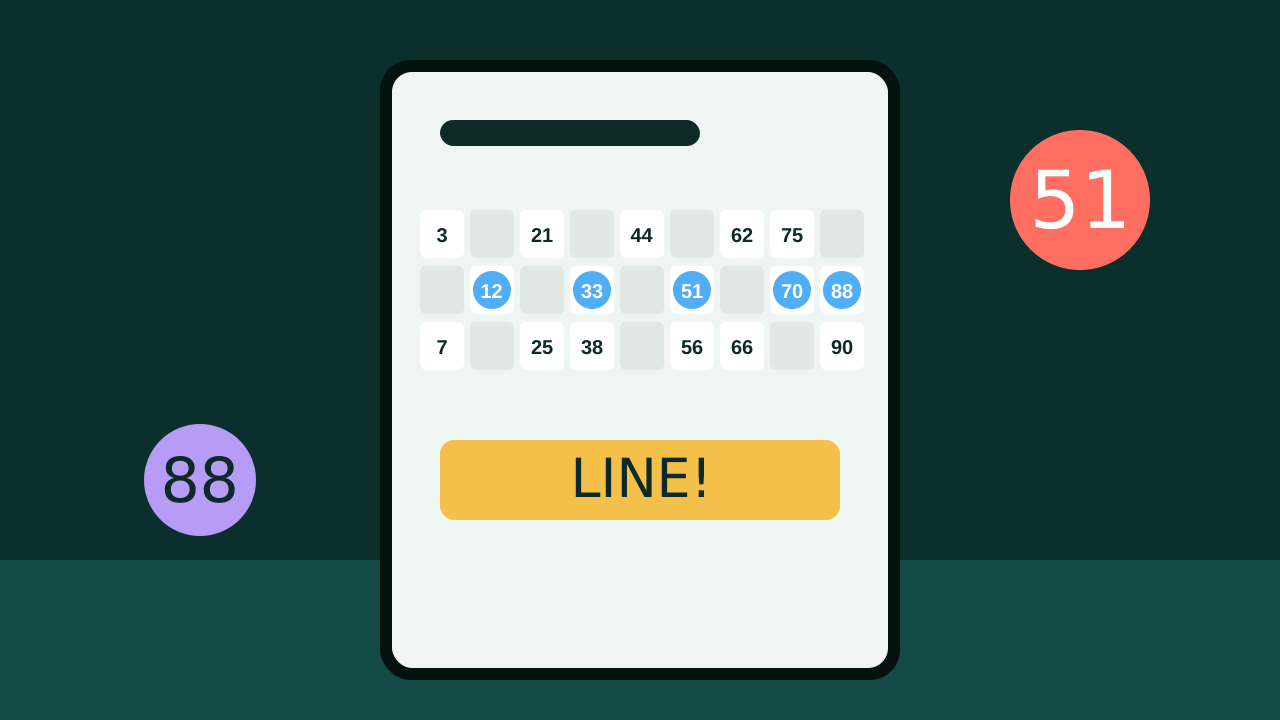
The quiz break is a funny ten minutes. Half the room goes to the bar, the other half goes outside, and some never come back. A quick game of bingo can hold the room together and send a few more people to the bar with a reason to hurry back.
It can also start a row. "I shouted first." "That number wasn't called." "He's got two tickets." Here's how to keep it fun.
Keep it short
At the quiz break you want one or two quick games, not a full session. A line, then a full house, and back to the quiz. If bingo runs longer than the break, the quiz suffers and people drift off.
Tell the room how long it'll be before you start. "Two games, ten minutes, then round five."
Explain the rules every time
Don't assume everyone knows. Before the first number, say:
- What counts as a line (one full row across the ticket)
- What counts as a full house (every number on the ticket)
- How to claim (shout, stand up or press the button)
- What happens if two people claim on the same number
That last one matters most. Decide it before you start, say it out loud, and stick to it. Calling it a joint win is the friendliest rule. "First to shout" is the one that causes arguments, because two people always shout at once.
Call clearly, and show the numbers
The same problem as the quiz applies. If the back of the room can't hear, they'll miss numbers and get cross.
- Call each number twice.
- Keep a steady pace. Not so fast that people miss them, not so slow that the break runs over.
- Keep a list of called numbers somewhere everyone can see, even if it's a whiteboard by the bar.
When there's a claim, read back the winning numbers against your list, out loud. Everyone hears it checked. Nobody can say it was fiddled.
Phone bingo takes the arguments out
On paper tickets, checking a claim means reading numbers off a crumpled ticket in bad light. On a phone, the game can check the claim for you. The ticket knows which numbers have been called, and a line or a full house is checked automatically.
It also stops the easy cheats, like marking a number that hasn't been called. And nobody needs a dabber or a pen.
If you go with phone bingo, set a limit on tickets per phone and say it up front. It keeps things fair between the person with one ticket and the table with ten.
Play it for fun
The simplest way to run bingo at the quiz break is free to play with no prize. A cheer, a round of applause and your name on the screen. Played like that, just for fun, it isn't gaming, and you don't need to think about the gambling rules at all.
Once there's a prize, it's a different thing. Bingo with prizes in a pub comes under the Gambling Commission's rules, and those rules cover what you can charge, what you can give away and how much. This isn't legal advice. If you want to give prizes, phone bingo included, read the Commission's guide on how to run a game of bingo first and talk to your local licensing team before you start.
Keep the quiz the main event
Bingo at the break works because it's a bonus. If it starts running long, or takes over from the quiz, the quiz teams notice. Keep it short and keep the quiz as the thing people came for.
Sources
- Gambling Commission: How to run a game of bingo
- Gambling Commission: Part 18: Bingo in clubs and alcohol-licensed premises
- Gambling Commission: Pubs and clubs toolkit
We checked every source on 24 October 2026. Rules change, so check the latest version before you act. Nothing here is legal advice.